
Nội dung bạn đang tìm kiếm không có phiên bản tiếng Việt.
Vui lòng chọn tiếp tục để xem nội dung tiếng Anh hoặc đi đến trang chủ Tiếng Việt.
Rất xin lỗi về sự bất tiện này.
Cardiology

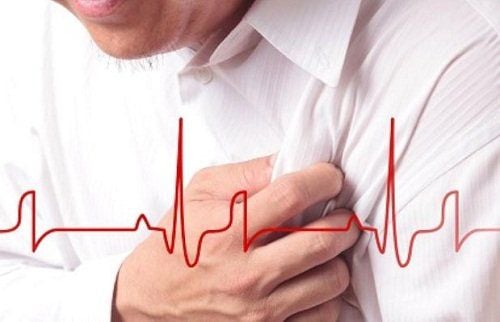
Are there remedies for heart arrhythmia at home?
Heart rate irregularities, such as faster, slower, or uneven beats, can occur due to factors like stress, dehydration, heat, deep sleep,... In such cases, you can apply some remedies to stabilize your heart rhythm at home. Let's explore what heart arrhythmia is and how to manage it effectively.
View more
Is Slow Heart Rate and Low Blood Pressure Dangerous?
In the past, many people mistakenly believed that only a fast heart rate was a precursor to blood pressure issues. However, recent studies have shown that a slow heart rate and low blood pressure are closely related. In fact, people with low blood pressure and a slow heart rate may experience numerous health complications.
View more
Latest articles
Is it normal to experience a rapid heart rate accompanied by fatigue?
I recently had a heart physical examination because I was experiencing occasional sharp pains in my chest and a fast pulse, reaching 110 beats per minute. I also felt fatigued. During my general physical examination at the heart hospital, I underwent several tests, including an ultrasound, blood test, electrocardiogram, and stress test. The doctor concluded that everything was okay. However, I sometimes notice my heart rate increasing to 90 beats per minute during light activities, and I feel fatigued. My question is, is it normal to experience a rapid heart rate accompanied by fatigue? Thank you, doctor.
View more
Silent Dangers of High Blood Pressure: Understanding Nosebleeds as a Symptom
Simple nosebleeds (epistaxis) are sometimes mistaken for severe problems including high blood pressure and damaged blood vessels in the nose. Blood pressure can lead to stroke and other serious consequences if it is not immediately controlled.
View more

Factors Affecting Cardiac Output
Cardiac output varies depending on many factors. Changes in cardiac output can be a sign of response to increased oxygen demand by the body or serious medical conditions affecting cardiac output.
View more
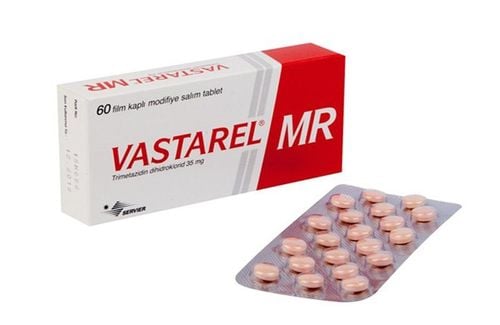
What to keep in mind when using Vastarel to treat coronary artery disease and ischemic heart disease?
Vastarel (trimetazidine) is an antianginal agent used in the preventive treatment of stable angina. However, the drug only works best when used as prescribed, taken at the right time, and in the correct dosage. Here are some notes when using the drug in the treatment of coronary artery disease to maximize effectiveness and avoid side effects.
View more
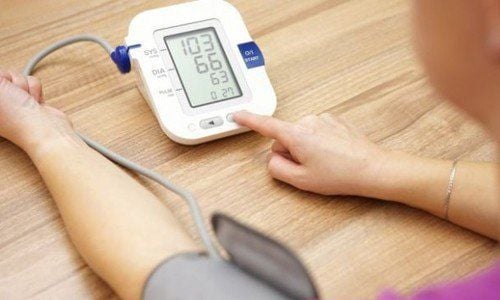
Is it okay if blood pressure when sitting is higher than lying down?
I usually measure my blood pressure at home using an electronic device, and I’ve noticed a difference between my readings when sitting and lying down. I am quite confused about whether the result of 140/90 (when I stand) or 122/79 (when I lie down) is accurate. Is it normal for my blood pressure to be much higher when I am sitting compared to when I am lying down?
View more
Is a blood pressure reading of 145/65 considered high blood pressure?
I am 52 years old. When I went for vaccination, my blood pressure was measured at 145/65. Doctor, is a blood pressure reading of 145/65 considered high blood pressure? Thank you for your advice.
View more
Postoperative Hypertension
All surgeries carry a certain degree of risk, even when all procedures are performed correctly. One common risk is postoperative hypertension. To better understand this condition, please read the following article.
View more
Symptoms of a Minor Stroke
A minor stroke, also known as a transient ischemic attack (TIA), occurs when blood flow to the brain is temporarily interrupted. According to statistics, 50% of patients who experience a TIA will suffer a full stroke within 5 years. Therefore, recognizing the symptoms of a minor stroke can help prevent serious complications.
View more

